




ACT UP 2020 Pride Op-Ed for BuzzFeed

ACT UP has been around since March of 1987, and we’re still here. We’re still here because AIDS is still a problem, including in the United States — we are survivors of the AIDS epidemic. In 2018, an American died of AIDS every 80 minutes. There are still almost 40,000 HIV diagnoses in the United States every year. Of those, over 40% are in the Black community, despite the Black community only accounting for about 13% of the U.S. population. About 1 in 5 people diagnosed with HIV every year is a woman. In fact, in some states, HIV diagnosis rates in women are rising, even as the rates for men continue to drop, but you would scarcely know women are at risk from the way the media talks about HIV.
We could quote more depressing CDC statistics, but we’re hoping we have your attention by now. Rather than rehash ACT UP’s heyday and tell the stories of St Pat’s, the FDA, and the ashes on the Whitehouse lawn, we want to talk about the challenges faced by ACT UP’s women and members of color over the years.
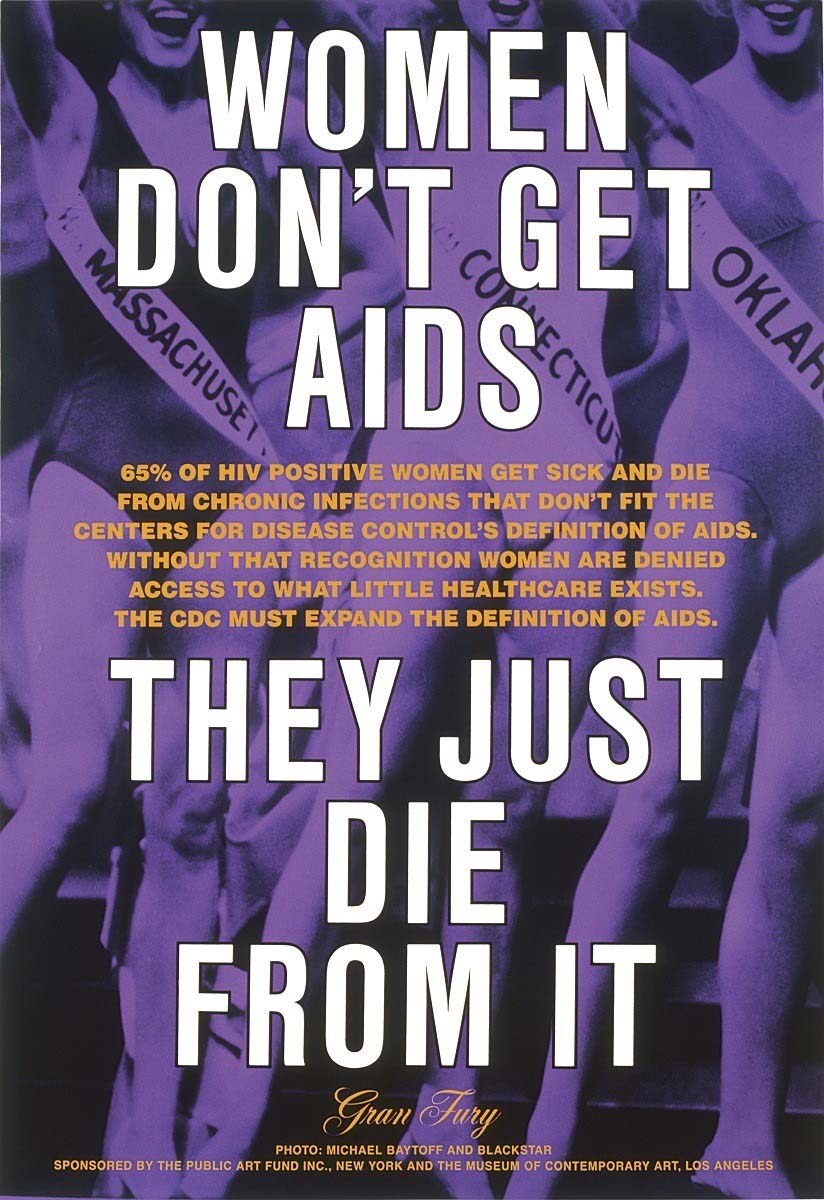
In the 1980s, it was widely believed women and people of color could not get AIDS — and it wasn’t just random people saying so. From Cosmo magazine to the Federal Government, it was culturally accepted that only white gay men could get HIV. In fact, the initial diagnostic criteria for AIDS didn’t even include 65% of the symptoms women were experiencing and dying of. This definition wasn’t updated until 1992, right after Katrina Haslip, a Black activist for women with AIDS, passed away. Haslip was one of the main people in the fight to change the definition. It is largely because of her efforts, that the Federal Centers for Disease Control and Prevention expanded its definition of the disease to include more illnesses that affect women with AIDS. And while it was true that being a man who has sex with men was, and still is, the biggest predictor of whether someone would get HIV, being Black has long been the second biggest predictor. Gay, straight, cis, trans, men, women — Black Americans are at high risk of HIV.
AIDS activists know that HIV has never been just a white gay male problem, and the CDC eventually came to understand that as well — its resources on HIV are now very good. But the vestiges of those dangerous early rumors are with us to this day. All you have to do to find proof of this is read the disclaimer in a Descovy commercial: “Descovy for PrEP has not been studied in people assigned female at birth.” Worldwide, over half of the people living with HIV were assigned female at birth, so you’d think Gilead Sciences would be interested in the money of half of humanity, if nothing else. They’re certainly happy enough to price-gouge Americans on the other HIV and COVID treatments in their stable — you know, with PrEP costing less than $100 annually in countries like Australia but up to $24,000 per year in the U.S…. but we digress.
The lack of doctors recommending HIV testing and prevention to women and people of color is not a new problem. Despite what those very diverse commercials suggest, the vast majority of Americans taking PrEP are white men. There are three likely reasons for this: First, that PrEP is expensive, either for the person taking it or for their insurance company; second, that doctors have shown extreme reluctance to recommend and prescribe PrEP to women and people of color; and third, that women and people of color are often not taken seriously by, and are therefore less likely to trust, the medical establishment. In other words, when doctors do recommend PrEP to women and people of color, we may be reluctant to listen to their advice — especially since HIV is still generally depicted as a white, gay male problem in popular media.
Over the last couple of years, ACT UP has worked in coalition with other groups to get generic PrEP on the market, and, hopefully, this year, we will finally get generic Truvada. When that happens, it’ll be a huge victory — but it will only address the first of the above problems (cost). Without addressing the other two problems — doctors’ lack of confidence in women and people of color; women and people of color’s lack of confidence in doctors — it’s going to be difficult to curb HIV transmissions. Without changing our society’s ideas about who can get HIV, without changing our social norms around talking candidly about HIV, progress will be slow. What we need, once we’ve finally got our generic PrEP, is a culture where everyone who wants PrEP is able to get it, without having to have an argument with a medical professional. And for women and people of color who are living with HIV, we need specialized research, better care, and greater respect, both from the public and from healthcare providers.
Equal access to prevention and treatment isn’t the only thing we’re fighting for. With America currently experiencing the biggest civil rights movement since the 1960s, we couldn’t just sit and watch everyone else do the work. It would be hypocritical of us to stay quiet, since so much of what we’ve been fighting for over the past 32 years aligns with the goals of the current movement. We acknowledge that the struggle to end the AIDS epidemic remains inseparable from the fight against racism and racist policing. From the blatant police mistreatment of AIDS activists at the height of the epidemic, to the current HIV criminalization laws in thirty-four states, we know how policing disproportionately affects people living with HIV. When protests began in NYC we quickly rallied to see what we could do to help. We didn’t just want to put out an empty statement about why Black Lives Matter. We wanted to do something proactive to help the fight.
The first thing we did was make protective protest kits. Each kit contains a mask, gloves, pain killers, bandages, antibiotic ointment, baby wipes, a granola bar, a bottle of water and a Sharpie to write the phone number for the National Lawyers Guild, which we also gave, on protestors’ bodies in case of arrest. Thanks to a generous donation from a member we were also able to supply protestors with goggles. In addition to our kits, we’ve been using our social media platforms to elevate activists and organizations that are organizing protests across the city. We’ve also shared tips for protesting and put together helpful guides like a list of bathrooms.
Our activism doesn’t stop here. Last week, we held five days of Virtual Pride programming focussed on sharing honest, people-centered HIV education, raising money for the Black AIDS Institute, and highlighting the work of ACT UP’s women and members of color. This Sunday, we’ll be marching in the Queer Liberation March for Black Lives and Against Police Brutality. Our contingent will honor the lives of Black HIV+ ACT UP alumni, including Marsha P. Johnson, Katrina Haslip, Phyllis Sharpe, and Joanne Walker, by carrying wreaths with their names. Black Americans not only account for over 40% of new HIV diagnoses each year, but also over 40% of deaths among people with HIV. Talking openly about how HIV outcomes are interwoven with racism and sexism can improve those numbers, and we need everyone to help.
If you’re in New York City, and it’s safe for you to participate, we invite you to march with us this Sunday in Columbus Park (at the corner of Mulberry St and Bayard St) at 12:15 pm. If you’re anywhere else in America, we invite you to join our ongoing campaign, #VoteForHarmReduction, by talking to all your state and local candidates about simple policy changes that can help end the American epidemic.
Most HIV policy happens at the state and local levels in the United States, and those candidates are much easier to talk to than federal ones. Different states can have very different laws about HIV discrimination, education, and healthcare, so we’ve created a site to help you figure out which questions to ask based on where you live. If we all push our candidates to take steps in the right direction, we can make real progress. Something as simple as copying and pasting one of our questions about HIV policy in response to one of the million campaign texts you’re going to receive as the year goes on can be extremely effective, since local candidates keep track of the questions they receive and often feel obligated to respond to them.
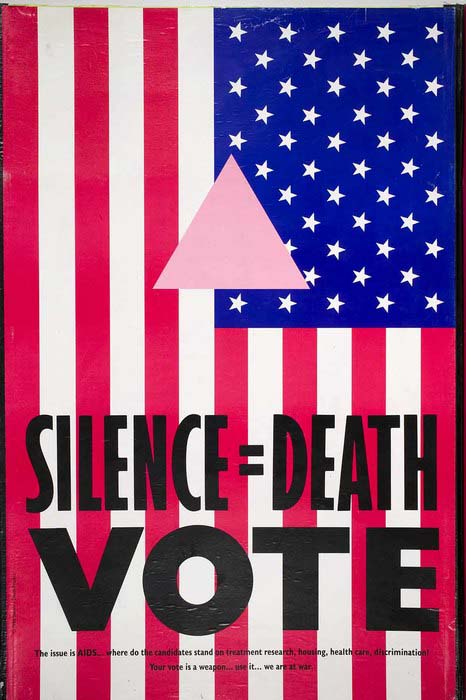
In 1988, ACT UP members created a poster that said “Your vote is a weapon. Use it.” Thirty-two years later, we’ve brought it back. Though voting won’t fix everything, it can have a huge impact on local HIV policy, and therefore on the way Black Americans and women with HIV are treated within our communities.
Our votes are still weapons. We must use them to vote for harm reduction. But we won’t stop there. We will forever be united in anger and committed to direct action until the AIDS crisis is over for all, and not just the privileged few.
All statistics are from the HIV.gov, the CDC’s HIV website.
Suggested readings and resources:
“#VoteForHarmReduction Election Site” https://actupny.com/election/ (English) or https://actupny.com/eleccion/ (Español)
“ACT UP Hidden Histories Conference Program” (we encourage you to read about the various presenters) https://actupny.com/conference-schedule-30-years-of-act-up-ny-hidden-histories-and-voices-lessons-learned/
“The ACT UP Oral History Project” http://www.actuporalhistory.org/
“Barring cisgender women from the Descovy trials was a bad call” https://www.statnews.com/2019/11/25/descovy-trials-excluded-cisgender-women-bad-call/
“Black AIDS Institute” https://blackaids.org/
“Doctors, Liars, and Women: AIDS Activist Say No to Cosmo” https://vimeo.com/390518927
“Positive Women’s Network” https://www.pwn-usa.org/about-us/
“The Well Project” https://www.thewellproject.org/
“Women, AIDS & Activism” https://archive.org/details/womenaidsactivis00banz
About ACT UP
Founded in 1987, ACT UP (AIDS Coalition to Unleash Power), is a diverse, non-partisan group of individuals united in anger and committed to direct action to end the AIDS crisis. ACT UP currently meets every Monday night at 7PM ET via Zoom. Notes: you will be asked to contribute your first & last name and email address to access online meetings, and KN-95 masks are required for ACT UP NY in person meetings/actions/gatherings. All individuals are welcome!







Recent Comments